
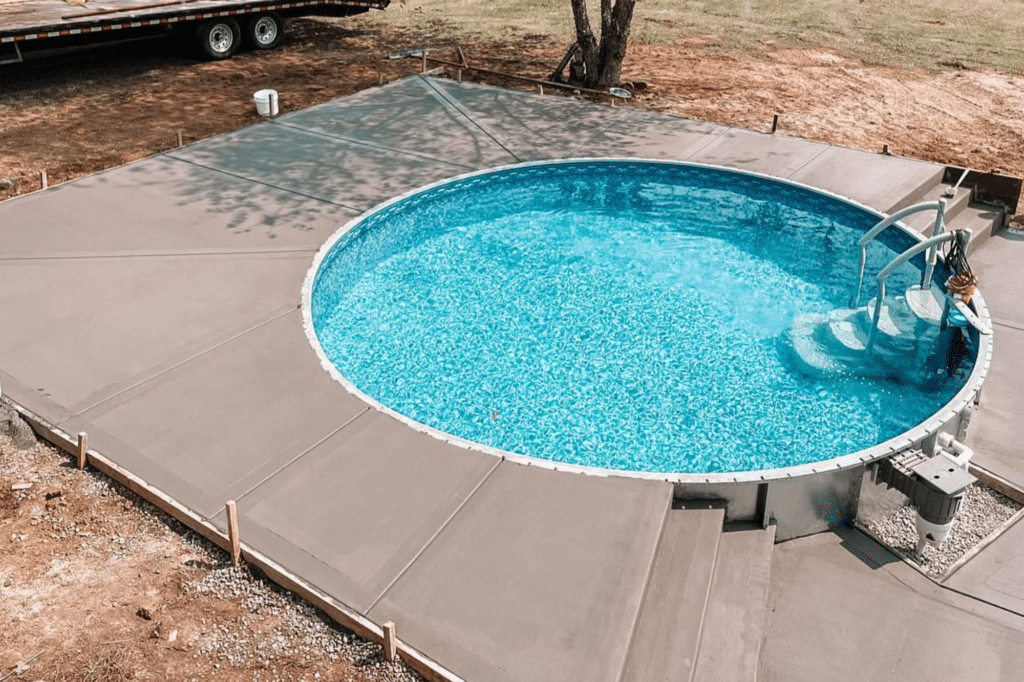

A pool deck has to handle more than foot traffic. Sun exposure, water, cleaning chemicals and changing weather conditions can gradually affect the appearance and texture of the surface. Over time, concrete may begin to look faded, rough or uneven even when the slab itself remains usable.
Replacing the entire deck is not always the first or only option. In many cases, restoring the existing concrete can improve both appearance and day-to-day usability while avoiding the disruption of complete removal.
Start With a Careful Surface Inspection
The first step is to understand the condition of the concrete. Small cracks, stains, worn coatings and surface deterioration should all be identified before any new finish is selected.
It is also important to distinguish between cosmetic wear and more serious movement. A deck with stable surface imperfections may be suitable for restoration, while significant structural problems may require a different approach.
Think About Safety Around Water
Pool areas regularly become wet, which makes surface texture an important consideration. A finish that looks attractive but becomes too slippery may not be suitable for the environment.
When considering pool deck coatings, property owners should think about grip, cleaning and heat exposure alongside color. The goal is to create a surface that works well around water rather than focusing only on appearance.
Resurfacing Can Refresh an Older Deck
When the existing slab remains sound, but the visible surface has aged, pool deck resurfacing can provide a practical way to renew the area. The process may improve color consistency, cover certain cosmetic imperfections and create a more updated finish.
Resurfacing should still begin with proper preparation. Old coatings, contamination and damaged areas may need to be removed or repaired so the new material has a suitable base.
Preparation Makes a Major Difference
Concrete around pools can collect oils, sunscreen residue, dirt and mineral deposits. These contaminants may interfere with adhesion if they are not removed properly.
Mechanical preparation or specialized cleaning may be required depending on the condition of the deck. The preparation method should match the system being applied rather than relying on a simple surface wash.
Repair Cracks Before Applying a Finish
Cracks should be assessed before resurfacing begins. Some may be minor and stable, while others could indicate movement that needs closer attention.
Addressing damaged sections early helps create a more consistent surface. It also reduces the chance of existing defects becoming more noticeable after the rest of the deck has been refreshed.
Choose Color With Heat in Mind
Dark finishes can absorb more heat, which may make the surface uncomfortable around a pool in warm weather. Lighter tones are often preferred because they can help keep the area visually brighter and may feel more suitable underfoot.
Color should also complement surrounding materials such as coping, exterior walls, landscaping and outdoor furniture. A coordinated palette helps the deck feel like part of the overall outdoor design.
Consider Cleaning Requirements
Pool decks need regular maintenance because water, leaves and outdoor debris can build up quickly. The chosen finish should be practical to clean without requiring aggressive chemicals or equipment.
Owners should ask which cleaning products are suitable for the installed surface. Using the wrong products can affect color, texture or the protective layer over time.
Pay Attention to Drainage
A new finish cannot correct every drainage problem. Low spots and poor falls may continue to hold water unless they are addressed during the project.
Standing water can make the area harder to maintain and less comfortable to use. Reviewing drainage before resurfacing allows these issues to be considered while the deck is already being prepared.
Plan Around Pool Use
Restoration work requires the surrounding area to remain clear during preparation and curing. Furniture, planters and equipment may need to be moved temporarily.
Scheduling the project during a period of lower pool use can reduce inconvenience. Owners should also follow the recommended cure time before returning furniture or allowing normal foot traffic.
Think About Long-Term Maintenance
Even a refreshed pool deck will continue to face sun, water and regular use. Routine cleaning and periodic inspection can help identify small issues before they become larger problems.
Maintenance expectations should be discussed before installation. A finish that suits the owner’s willingness to maintain it will usually be more practical over time.
Conclusion
An aging pool deck does not always need complete replacement. When the underlying concrete is still suitable, restoration can improve appearance, texture and everyday usability.
The best results come from assessing the slab, preparing it correctly and choosing a finish that suits water exposure, heat, cleaning and surrounding design. Careful planning can turn a worn deck into a more attractive and functional outdoor area without unnecessary reconstruction.