
Whether you are navigating busy city streets, commuting to work, taking the children to school or heading away on a weekend road trip, reliable brakes are essential to safe driving. Your vehicle’s braking system must respond quickly and consistently whenever you need to slow down or stop, particularly in heavy traffic, wet weather or an unexpected situation.
Unfortunately, brake maintenance is easy to overlook. A vehicle may continue to feel normal even as brake pads, discs and other components gradually wear. By the time the symptoms become obvious, the problem may be more expensive to repair and the vehicle’s braking performance may already be affected.
A routine car brake service can help identify wear, damage and changes in braking performance before they develop into more serious problems. Understanding how your brakes work, recognising the warning signs and arranging inspections when necessary can help keep you safe, protect your vehicle and provide greater confidence on the road.
Why a Car Brake Service Matters
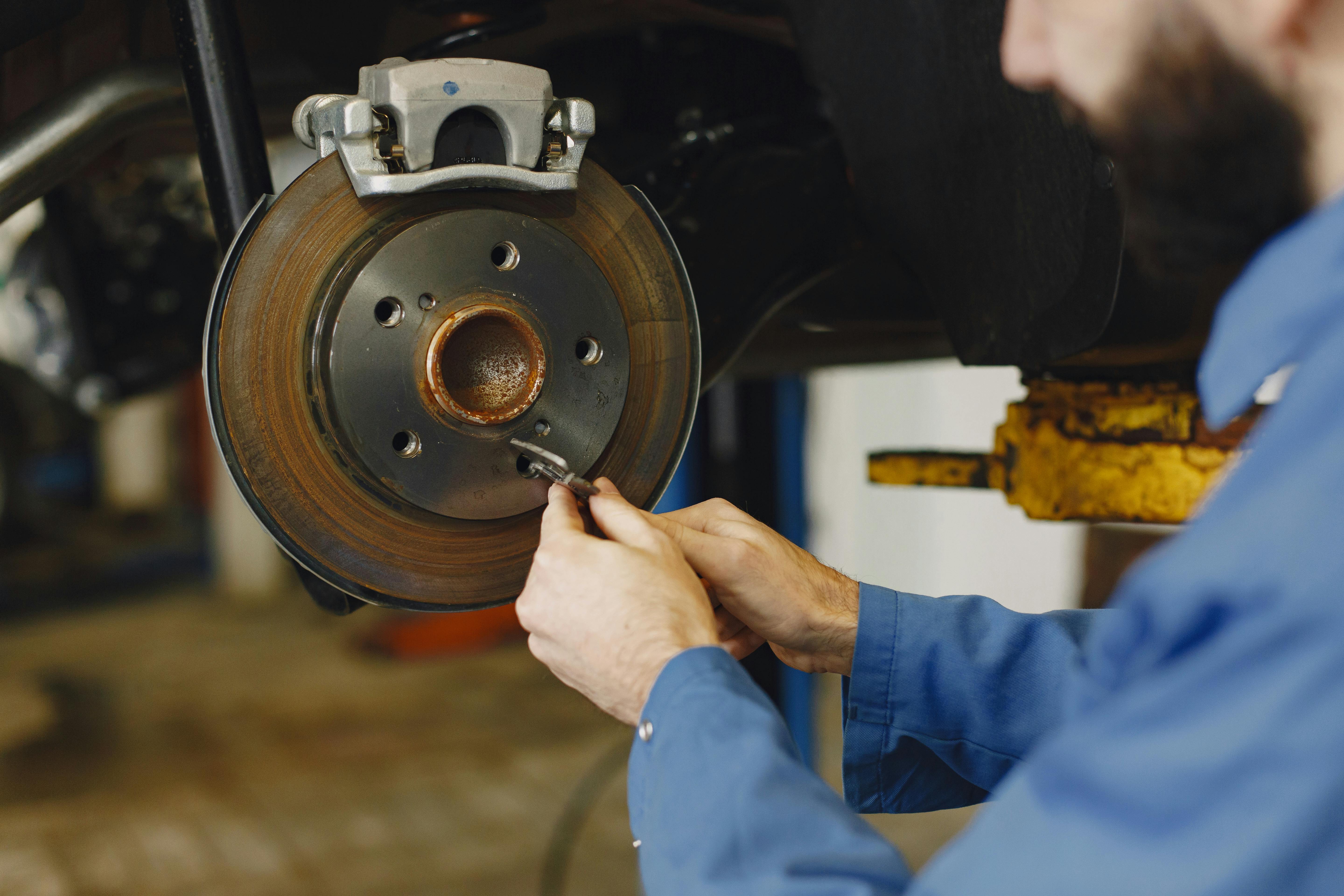
Every time you press the brake pedal, several components work together to reduce the vehicle’s speed. In many vehicles, pressure from the pedal is transferred through the hydraulic braking system. This causes the brake callipers to press the pads against the brake discs, creating the friction needed to slow the wheels.
Some vehicles also use drum brakes, usually on the rear wheels. Although the design differs, drum brakes also rely on friction-producing components that wear down with use. Modern vehicles may additionally include systems such as anti-lock braking, electronic brake-force distribution and emergency brake assistance.
Heat and friction are unavoidable parts of braking. Over time, brake pads become thinner, discs may develop wear or scoring, and brake fluid can deteriorate. Callipers, hoses, seals, sensors and other components may also require attention.
Regular brake inspections may help:
-
Improve vehicle and passenger safety
-
Maintain predictable braking performance
-
Support safe stopping distances
-
Identify worn or damaged components early
-
Reduce the likelihood of more extensive repairs
-
Extend the usable life of related brake components
-
Maintain the vehicle in a safe and roadworthy condition
-
Provide greater confidence during everyday driving
Ignoring a brake problem may allow a relatively straightforward repair to become more complicated. For example, continuing to drive with severely worn brake pads may damage the discs. A professional inspection can determine which components require attention and whether the vehicle is safe to continue driving.
Common Signs Your Brakes Need Attention
Brake problems do not always appear suddenly. In many cases, a vehicle provides early warning signs through changes in sound, pedal feel, stopping performance or handling. Recognising these signs allows you to arrange an inspection before the issue becomes more serious.
Squealing or Grinding Noises
A high-pitched squealing sound when braking may indicate that the brake pads are wearing low. Some brake pads incorporate wear indicators designed to make a noticeable sound when the pad material reaches a certain point.
Grinding is generally more concerning. It may indicate that the friction material has worn away and metal components are contacting each other. This can damage the brake discs and affect braking performance. However, brake noise can have several causes, so it should be properly diagnosed rather than assumed to be a particular fault.
Vibration When Braking
If the steering wheel, brake pedal or vehicle vibrates while braking, there may be a problem with the brake discs or another part of the braking, wheel or suspension system. Drivers sometimes describe this sensation as pulsing, shuddering or shaking.
The symptom may become more noticeable when braking from a higher speed. Because vibration can have more than one possible cause, a technician should inspect the vehicle and identify whether the problem originates from the brakes, tyres, steering or suspension.
Soft or Spongy Brake Pedal
A brake pedal should feel consistent when pressure is applied. If it feels unusually soft, spongy or travels further towards the floor than normal, the hydraulic system may require immediate attention.
Possible causes can include air or moisture in the braking system, a fluid leak or a problem with a hydraulic component. A sudden or significant change in pedal feel should never be ignored. If you are unsure whether the vehicle can be driven safely, stop in a safe location and seek professional assistance.
A Hard Brake Pedal
A brake pedal that has become unusually hard or requires much more force than normal may also indicate a fault. Problems involving power-assisted braking components can change the amount of effort required to stop the vehicle.
Because the change may affect your ability to brake effectively in an emergency, have the system inspected promptly rather than adjusting your driving to compensate.
The Vehicle Pulls to One Side
A car that pulls left or right while braking may have uneven brake wear, a sticking calliper or another braking-related fault. Tyre, wheel-alignment and suspension problems may produce similar behaviour.
Pulling can make the vehicle more difficult to control, particularly during heavy braking. An inspection can identify the cause and determine whether attention is required across the braking, steering, tyre or suspension systems.
Brake Warning Light
Modern vehicles use dashboard warning lights to alert drivers to potential problems. Depending on the vehicle, a brake-related light may indicate that the parking brake is engaged, the brake-fluid level requires attention or the anti-lock braking system has detected a fault.
Check the vehicle owner’s manual to understand the meaning of the specific symbol. If the warning remains illuminated after the parking brake has been released, arrange an inspection. A warning light accompanied by poor braking performance, a fluid leak or a major change in pedal feel should be treated as urgent.
Reduced Braking Performance
If your vehicle seems to take longer to stop or the brakes do not respond as effectively as they once did, do not assume the change is simply due to the vehicle’s age. Reduced braking performance may be caused by worn components, contaminated friction surfaces, a hydraulic issue or another fault.
Because stopping performance is central to vehicle safety, any noticeable deterioration should be assessed as soon as possible.
Unusual Smells After Braking
A strong burning smell after repeated or heavy braking may indicate that the brakes have become excessively hot. If this happens, stop somewhere safe and allow the system to cool. Avoid touching the wheels or braking components, as they may be extremely hot.
If the smell returns during normal driving, or if it is accompanied by smoke, pulling, noise or reduced braking performance, seek professional assistance promptly.
What Is Included in a Professional Car Brake Service?
A professional brake service involves more than fitting a new set of brake pads. The exact work will depend on the vehicle, its condition, its braking-system design and the symptoms reported by the driver. A comprehensive inspection may cover the following areas.
Brake Pad and Brake Shoe Assessment
The technician may check the remaining thickness and condition of the brake pads. If the vehicle has drum brakes, the brake shoes may also be examined.
The inspection can reveal whether the friction material is approaching its wear limit or wearing unevenly. Uneven wear may indicate that another component, such as a calliper or slide mechanism, is not operating correctly.
Brake Disc or Rotor Inspection
Brake discs, which are also called rotors, can be checked for scoring, cracking, heat damage, uneven wear and other irregularities. Their thickness may be measured and compared with the applicable manufacturer specification.
Depending on their condition and remaining thickness, discs may require replacement when new brake pads are fitted. Replacing only the pads may not correct vibration or braking problems caused by worn or damaged discs.
Brake Drum Inspection
Where drum brakes are fitted, the drums and internal components can be inspected for wear and damage. The technician may also assess the operation of the shoes, springs, adjusters and wheel cylinders.
Drum-brake components must move correctly and evenly for reliable braking. Wear or contamination inside the drum can affect performance and may require repair or replacement.
Brake Fluid Check
Brake fluid plays a critical role in transferring pressure through the hydraulic system. Its level and condition may be inspected as part of a brake service.
Brake fluid can absorb moisture over time, which may affect its performance. Replacement requirements differ between vehicles, so the correct service interval and fluid specification should be confirmed using the manufacturer’s recommendations.
If the fluid level is low, the reason should be investigated. It may relate to normal pad wear, but it can also indicate a leak or another problem that needs attention.
Calliper and Brake Hardware Inspection
Brake callipers, slides, clips, pins and related hardware help the pads engage and release correctly. If these components seize, stick or wear unevenly, they can affect braking performance and shorten the life of the pads and discs.
A professional inspection can identify damaged hardware, restricted movement and signs of uneven wear. Required repairs will depend on the condition of the individual components.
Brake Hose and Line Inspection
The brake lines and flexible hoses carry fluid throughout the hydraulic braking system. Technicians may visually inspect accessible components for leaks, cracking, corrosion, swelling or other damage.
A fluid leak can result in a loss of hydraulic pressure and should be investigated immediately. Any visible brake-fluid leak or sudden drop in braking performance should be treated as a serious safety concern.
Handbrake and Electronic Parking Brake Check
The parking brake may also form part of the inspection. Depending on the vehicle, this may involve a traditional handbrake lever, a foot-operated parking brake or an electronic parking-brake system.
The system should hold and release the vehicle correctly. If the parking brake feels loose, fails to hold the vehicle or displays a warning, it may need adjustment or repair.
ABS and Warning-System Assessment
If an anti-lock braking system warning light is present, diagnostic equipment may be used to retrieve fault information. The problem may involve a wheel-speed sensor, wiring, an electronic control component or another part of the system.
Replacing brake pads will not necessarily resolve an ABS warning. The cause needs to be correctly diagnosed before an appropriate repair can be recommended.
Road Test and Final Brake Check
Where safe and appropriate, the technician may road test the vehicle to assess pedal feel, brake response, noise, vibration and whether the car pulls during braking. A road test can also help confirm that completed repairs are operating correctly.
The technician should then explain the findings, identify any urgent safety concerns and provide recommendations for necessary or future work.
Benefits of Regular Brake Inspections
The most important benefit of brake maintenance is safer and more predictable vehicle operation. Brakes that respond consistently make it easier to manage everyday traffic and react to an unexpected hazard.
Routine inspections can also identify developing wear before it damages other components. Replacing worn pads at the appropriate time, for example, may help prevent avoidable damage to the discs.
Additional benefits may include:
-
More consistent pedal feel and braking response
-
Early detection of fluid leaks or hydraulic issues
-
Reduced likelihood of an unexpected brake-related breakdown
-
Better planning for upcoming maintenance expenses
-
Protection of related components from avoidable damage
-
Greater confidence before long-distance or holiday travel
How Often Should You Have Your Brakes Checked?
There is no single inspection interval that applies to every vehicle. Brake wear depends on the manufacturer’s service schedule, vehicle design, driving conditions, load, terrain and individual driving habits.
Frequent stop-start driving may place different demands on the braking system than steady motorway travel. Towing, carrying heavy loads and travelling through steep or mountainous areas can also increase brake use.
The most reliable approach is to follow the maintenance schedule in the vehicle owner’s manual and have the brakes checked during routine servicing. An earlier inspection is appropriate whenever a warning light appears or you notice a change in sound, pedal feel, braking response or vehicle behaviour.
Questions to Ask Before Approving Brake Repairs
When a repair is recommended, ask the service provider to explain what was found and which components need attention. Useful questions include:
-
Which brake components are worn or damaged?
-
Is the repair urgent, or can it be planned for a later service?
-
Do the discs need replacement as well as the pads?
-
Is the wear even on both sides of the vehicle?
-
Does the brake fluid need to be replaced?
-
Does the quote include parts, labour and applicable charges?
-
Will the braking system be tested after the repair?
-
Are the replacement parts suitable for the vehicle?
A clear explanation can help you understand the condition of the braking system and make an informed decision before authorising the work.
Book a Professional Car Brake Service
Regular car brake servicing can help identify wear early, maintain reliable braking performance and reduce the risk of a small problem developing into a more extensive repair. It is also an opportunity to check the condition of the brake pads, discs, fluid, callipers, hoses, parking brake and other important components.
Do not wait for a minor squeal, vibration or change in pedal feel to become a serious safety concern. If your vehicle is showing signs of brake trouble, arrange a professional inspection promptly. Before a long-distance journey, it is also sensible to have the vehicle checked if its service is due or you have concerns about braking performance.
Maintaining your brakes is one of the most important steps you can take to protect yourself, your passengers and other road users. With timely inspections and appropriate repairs, you can approach everyday driving and longer journeys with greater confidence.
This article provides general information only and is not a substitute for inspecting an individual vehicle. Brake-system designs, specifications and servicing requirements vary. Refer to your vehicle manufacturer’s recommendations and seek advice from a qualified automotive technician. If braking performance changes suddenly or you believe the vehicle is unsafe, stop driving when it is safe to do so and arrange professional assistance.