
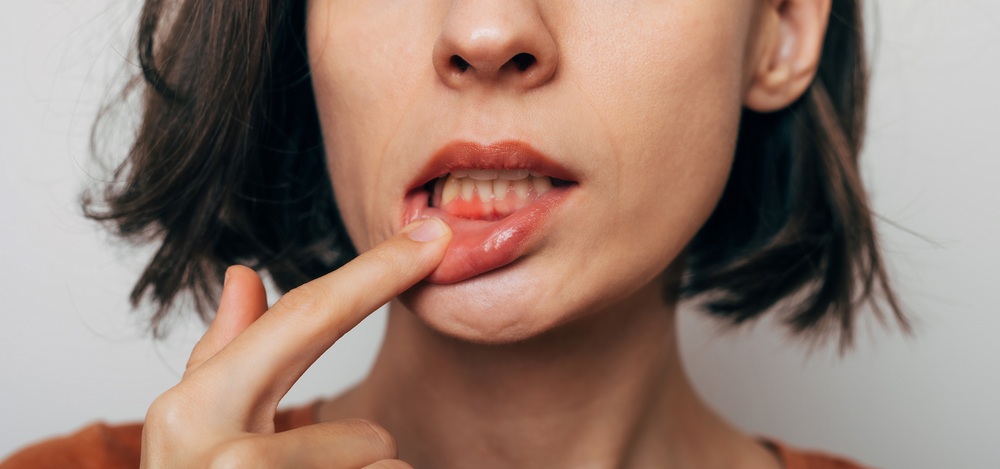

Blood in the sink after brushing makes a person check the toothbrush first. A rough bristle or rushed pass can leave the gums sore. Repeated bleeding points to plaque sitting at the gum line.
A good oral hygiene routine has to reach two places at once. One is the edge where the tooth meets the gum. The other is enamel, which faces acid after meals, snacks, and drinks.
The daily basics from the American Dental Association are direct: brush twice a day with fluoride toothpaste, clean between teeth once a day, limit sugary snacks and drinks, and keep regular dental visits.
Why an oral hygiene routine has two jobs
Gums and enamel show trouble in different ways. Gum tissue reacts first at the edges. It may look red, feel sore, or bleed when a brush reaches the gum line.
Blood while brushing can be the first clue. Gums that bleed consistently after brushing or flossing usually need more than a harder brush.
Enamel gives fewer early warnings. Acid can pull minerals from the tooth surface long before a person feels sensitivity or finds a cavity.
The routine has to meet both problems where they start. Plaque needs to come off the gum line before it hardens. Enamel needs fluoride contact and fewer long acid stretches during the day.
The gum line is where plaque gets left
Rushed brushing misses the narrow edge where the gum and tooth meet. The brush may clean the broad front surface while leaving a strip of plaque near the tissue. That strip is enough to irritate gums.
The National Institute of Dental and Craniofacial Research explains that plaque left on teeth can harden into tartar. Once tartar forms, a dentist or dental hygienist has to remove it.
That is why cleanings still belong in the schedule even when home care is careful.
A soft toothbrush and short strokes work better than force. A 45-degree angle toward the gums lets the bristles reach the edge without scraping the tissue. The motion can feel too gentle at first, especially for someone used to scrubbing.
Bleeding after brushing needs a closer look
A small amount of blood may appear when someone restarts flossing after a long break. The tissue may already be irritated, and touching the area exposes the problem. The bleeding should fade as plaque clears and the tissue calms down.
Bleeding that returns day after day needs a different response. Brushing harder can leave the gums more sore. A soft brush, daily cleaning between teeth, and a dental visit make more sense when the pattern lasts past a couple of weeks.
The dentist can check for tartar, deeper gum pockets, dry mouth, medication effects, or early gum disease. Those are not problems a new toothbrush can fully sort out at home.
How an oral hygiene routine should use fluoride
Enamel faces its hardest hours after food and drinks. Bacteria feed on sugars and release acid. Saliva replaces some minerals, but frequent snacking or dry mouth can leave enamel behind.
Fluoride earns a place in the routine because fluoride makes repaired enamel more resistant to acid after each small acid hit. The American Dental Association describes this repair process as remineralization. It rebuilds early acid damage before decay sets in.
For adults with average cavity risk, fluoride toothpaste twice a day gives regular protection. A person with dry mouth, exposed roots, braces, or frequent cavities may need prescription fluoride or fluoride varnish from a dentist.
Toothpaste needs time on the teeth
Foam makes brushing feel finished. Fluoride still needs contact after the brush stops moving. Spitting out extra toothpaste and leaving the rest alone keeps a thin layer on the enamel.
Rinsing hard with water removes much of that layer. The change feels strange for a few days. It gives fluoride more time to sit where acid has been working.
Acidic drinks need a little patience too. After soda, citrus, or sports drinks, rinse with water first. Waiting before brushing is safer for softened enamel.
Make the order fit the day
The best routine is the one that survives a normal weekday. A person with rushed mornings may do better cleaning between teeth at night. Someone with braces may keep a water flosser near the bathroom sink because string floss takes too long.
Floss before brushing if it makes the teeth feel cleaner before toothpaste goes on. Clean between teeth after brushing if that is the only order that happens every day. The missed step causes more trouble than the order.
Tools can change as the mouth changes. Interdental brushes may fit wider spaces. A water flosser can reach around bridgework, implants, or orthodontic hardware. String floss still works well when the spaces are tight and the technique is comfortable.
A practical oral hygiene routine for morning and night
The routine can stay short enough to remember:
- In the morning, brush for two minutes with fluoride toothpaste. Aim the bristles toward the gum line.
- After brushing, spit out extra toothpaste instead of rinsing hard with water.
- At night, clean between teeth and brush again with fluoride toothpaste.
- Watch for bleeding, soreness, dry mouth, sensitivity, or breath that returns.
Mouthwash can sit around the routine as a rinse after the plaque-removal work is done. Whitening products can change stain. They do not remove tartar or calm inflamed gums.
Daily habits can undo clean brushing
Brushing twice a day does less when the teeth sit in sugar or acid for long stretches. A sweet coffee sipped for two hours is different from one finished with breakfast. The exposure lasts longer, so bacteria get more time to make acid.
Dry mouth raises the risk too. Saliva washes food away and buffers acid. Some allergy, blood pressure, mood, and pain medicines can reduce saliva, which is why a dentist may ask about medications during a dental visit.
The Centers for Disease Control and Prevention reports that fluoridated water reduces cavities by about 25 percent in children and adults. That figure belongs beside brushing and cleaning between teeth. It explains why small, repeated fluoride exposure has value outside the bathroom sink.
FAQ
What is a good oral hygiene routine?
A good oral hygiene routine includes twice-daily brushing with fluoride toothpaste, daily cleaning between teeth, less frequent sugar exposure, and regular dental visits. It also accounts for what a mouth is doing right now: bleeding gums, dry mouth, sensitivity, braces, or exposed roots.
Should floss come before or after brushing?
Either order can work if the spaces between teeth get cleaned every day. Flossing first may clear debris before fluoride toothpaste reaches the teeth. If bedtime is the only time the step happens, bedtime is the better choice.
Can an oral hygiene routine stop bleeding gums?
An oral hygiene routine can reduce bleeding when the cause is early gum irritation from plaque. Bleeding that lasts beyond two weeks needs a dental exam. The same is true for heavier bleeding or gum recession, because tartar and deeper gum pockets cannot be fixed with home tools.
Does fluoride toothpaste really protect enamel?
Yes. Fluoride toothpaste supports mineral repair after acid exposure and makes enamel harder for bacteria acids to damage. The protection works best when toothpaste stays on the teeth for a short time after brushing.
When should a dentist check the routine?
A dentist should check the routine when bleeding, dry mouth, sensitivity, bad breath, or new cavities keep coming back. Bringing the toothbrush, floss, or water flosser to the visit can help the hygienist spot the missed area.
Keep the oral hygiene routine easy to repeat
A strong routine does not need many products. It needs the right contact: bristles at the gum line, a tool between the teeth, and fluoride left on enamel after brushing.
After a couple of weeks, the pattern is easier to judge. If bleeding fades, breath improves, and sensitivity settles, the routine is probably reaching the right places. If the same signs keep showing up, the next cleaning is the time to ask what the toothbrush and floss are missing.
Sources
American Dental Association, Brushing Your Teeth
American Dental Association, Fluoride
National Institute of Dental and Craniofacial Research, Periodontal Gum Disease
Centers for Disease Control and Prevention, About Community Water Fluoridation