
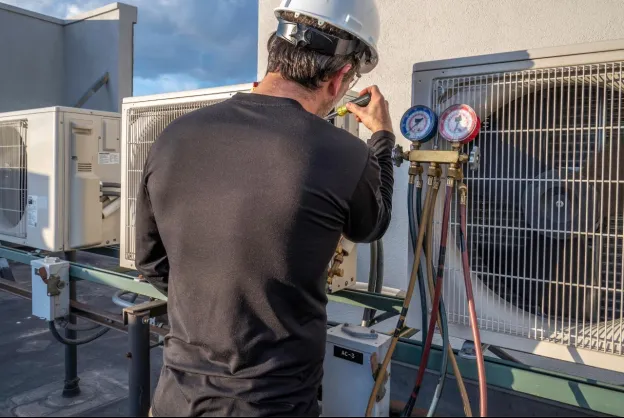
Most homeowners only think about their heating and cooling system when something goes wrong. Yet a well-cared-for system can comfortably last 15 to 25 years, while a neglected one may struggle after just 8–10. Simple habits and timely attention can dramatically improve reliability, lower energy bills, and keep your home comfortable year-round. Whether you live in a newer build or a period home, staying on top of routine care makes a significant difference, which is why many local homeowners turn to trusted HVAC services in Millersville, PA for expert guidance and support.
This guide shares practical, proven steps you can take to protect your investment and enjoy consistent performance from your furnace, air conditioner, or heat pump.
Understand Your System’s Expected Lifespan
Knowing what to expect helps you maintain your equipment more effectively. Most modern gas furnaces last 15–20 years, air conditioners and heat pumps around 10–15 years, and boilers 15–25 years when properly maintained. Location plays a big part. Homes in areas with extreme temperatures or high humidity tend to see faster wear.
Watch for early warning signs such as longer run times, strange noises, uneven heating or cooling, and rising energy bills. Systems installed correctly and serviced regularly almost always outlast those that only receive emergency repairs.
Schedule Professional Servicing at the Right Intervals
Annual professional tune-ups form the foundation of any good maintenance plan. For most households, a service before summer and another before winter works best. Technicians clean internal components, check refrigerant levels, test electrical connections, calibrate thermostats, and spot small problems before they escalate.
Relying only on DIY efforts falls short because certain parts, such as the evaporator coil or burner assembly, need specialist tools and training. Think of professional servicing as an MOT for your HVAC system. It keeps efficiency high and prevents expensive breakdowns during peak seasons.
Change Air Filters Regularly and Choose the Right Ones
A clogged air filter forces your system to work harder, reduces airflow, and lowers indoor air quality. Change standard filters every 1–3 months and high-efficiency ones every 1–2 months during heavy-use periods.
When selecting filters, consider the MERV rating. A MERV 8–11 filter usually offers a good balance between filtration and airflow for most homes. Higher ratings (13+) suit households with allergy sufferers but may require system adjustments to avoid strain. Keep spare filters handy and set calendar reminders. This single habit delivers one of the biggest improvements in both performance and longevity.
Keep Coils, Vents, and Ductwork Clean
Dust and debris on the evaporator and condenser coils seriously reduce efficiency. Gently clean accessible coils with a soft brush or garden hose (on low pressure), and always clear leaves, grass, and debris from around the outdoor unit. Maintain at least 60 cm of clear space on all sides.
Indoor vents and registers benefit from regular dusting or vacuuming. Duct cleaning is not always necessary, but it becomes worthwhile if you notice visible mould, excessive dust, or musty smells. Good airflow means your system does not have to run as hard or as long to reach the desired temperature.
Optimise Thermostat Settings and Smart Controls
Small changes in how you use your thermostat can reduce wear significantly. In winter, setting the temperature between 18–21°C when home and dropping it by a few degrees at night or when away saves energy without discomfort. In summer, 24–26°C is usually comfortable and efficient.
Programmable or smart thermostats make these adjustments automatic. Features such as geofencing, learning algorithms, and zoning allow different areas of the house to run at different temperatures. Less constant cycling means fewer start-stop stresses on motors and compressors.
Address Minor Issues Before They Become Major Problems
Listen for unusual sounds—grinding, squealing, or rattling often signals loose parts or failing bearings. Weak airflow from certain vents, frequent on-off cycling, or water leaks around the indoor unit all deserve prompt attention.
Homeowners can safely perform quick checks such as inspecting the condensate drain line for blockages or replacing filters. For anything electrical, gas-related, or involving refrigerant, always call a qualified technician. Fixing small issues early prevents them from damaging other expensive components.
Invest in Preventive Measures and Upgrades
Several add-ons can reduce strain on your main system. Whole-house dehumidifiers or humidifiers maintain balanced moisture levels, helping the HVAC equipment work more efficiently. UV lights inside the air handler control mold and bacteria, while high-quality pleated filters capture more particles.
Improving home insulation, sealing duct leaks, and adding weatherstripping around doors and windows also lightens the load. When your current system approaches 12–15 years of age, have a professional assess whether repairs or a full upgrade would be more cost-effective in the long run.
Conclusion
Extending the lifespan of your home heating and cooling system does not require expensive overhauls or constant effort. By following consistent HVAC maintenance routines, changing filters regularly, scheduling professional tune-ups, and addressing small issues quickly, you can significantly prolong the life of your furnace, air conditioner, and heat pump while reducing energy consumption.
These proven strategies not only enhance reliability and indoor comfort but also protect your home’s resale value and lower long-term running costs. Start building your maintenance calendar today and commit to these simple habits. With the right care, your heating and cooling system will continue delivering efficient, dependable performance for many years to come. Take action now to enjoy quieter operation, better air quality, and peace of mind knowing your HVAC system is optimised for longevity and peak efficiency.