
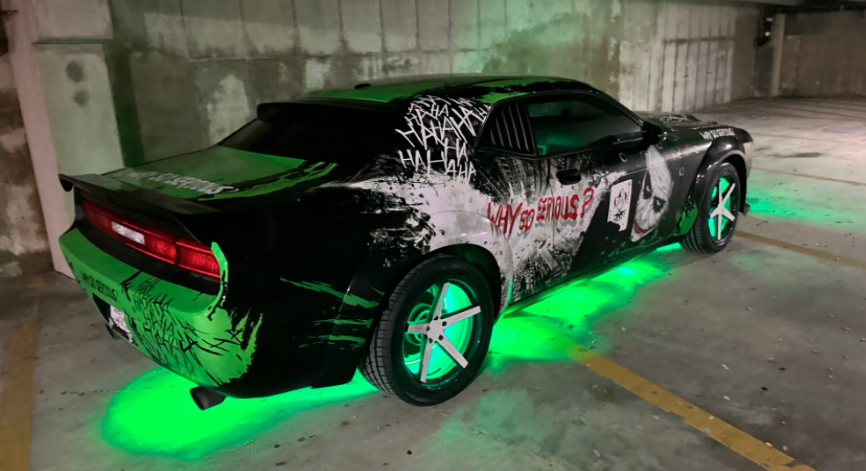

Few vehicles represent modern American muscle as clearly as the Dodge Challenger. With its retro-inspired body lines, wide stance, and aggressive presence, the Challenger is an ideal platform for visual customization. Among all exterior upgrades, a Dodge Challenger stripe kit remains one of the most popular and effective ways to enhance the car’s appearance without permanent modification.
From classic racing stripes to modern widebody graphics, stripe kits allow owners to personalize their Challenger while preserving its factory paint. This guide explores the history, styles, costs, installation considerations, and best practices for choosing the right stripe kit for your Dodge Challenger.
Why Dodge Challenger Stripe Kits Are So Popular
The Dodge Challenger’s long hood, wide shoulders, and flat body panels make it uniquely suited for stripe graphics. Stripe kits accentuate the vehicle’s proportions and reinforce its muscle car heritage.
Key reasons owners choose a Dodge Challenger stripe kit include:
- Instant visual transformation
- Affordable customization compared to paint
- Reversible and paint-safe installation
- Strong connection to classic muscle car racing history
Whether subtle or aggressive, stripes visually emphasize speed, power, and individuality.
A Brief History of Challenger Stripes
Striping has always been part of muscle car culture. In the late 1960s and early 1970s, manufacturers used stripes to:
- Identify performance trims
- Enhance race-inspired styling
- Differentiate special editions
Modern Dodge Challengers continue this tradition. Factory models like the R/T, Scat Pack, and Hellcat have all featured stripe packages, inspiring aftermarket Dodge Challenger stripe kits that go even further in design and customization.
Types of Dodge Challenger Stripe Kits
Not all stripe kits deliver the same look. Choosing the right style depends on your model year, color, and personal taste.
1. Classic Dual Racing Stripes
These are the most recognizable muscle car stripes.
- Run from front bumper to rear bumper
- Emphasize hood length
- Available in narrow or wide formats
Classic stripes work well on both stock and widebody Challengers.
2. Hood-Only Stripe Kits
Hood stripe kits focus on:
- Center stripes
- Offset racing stripes
- Hood blackout designs
They offer a strong visual upgrade without covering the entire vehicle.
3. Side Stripe Kits
Side stripes typically run along:
- Lower doors
- Rear quarter panels
- Fender lines
They are ideal for Challenger owners who want a performance-inspired look without dominating the hood or roof.
4. Bumblebee Stripe Kits
Inspired by vintage Challengers, bumblebee stripes feature:
- Rear tail stripe design
- Bold block styling
- Retro muscle car appeal
This style remains popular among classic muscle enthusiasts.
5. Modern Widebody Stripe Kits
Designed specifically for widebody Challengers, these kits:
- Follow extended fender lines
- Emphasize aggressive wheel arches
- Pair well with modern performance aesthetics
Widebody stripe kits require precise alignment to maintain symmetry.
Material Options for Challenger Stripe Kits
Most Dodge Challenger stripe kits are made from automotive-grade vinyl. The quality of vinyl directly impacts durability and appearance.
Vinyl Types
- Cast vinyl (preferred for longevity and conformity)
- UV-resistant materials
- Pressure-sensitive adhesives
High-quality vinyl resists fading, cracking, and lifting.
Finish Options
- Gloss
- Matte
- Satin
- Metallic
- Carbon fiber-style textures
Finish choice should complement the vehicle’s paint and overall theme.
Cost of a Dodge Challenger Stripe Kit
Pricing varies depending on complexity, material, and coverage area.
Typical Cost Ranges
- Basic stripe kits: $150 – $400
- Premium vinyl kits: $400 – $800
- Custom-designed stripe kits: $800 – $1,500+
- Professional installation: $300 – $1,000
Even at the higher end, stripe kits are far more affordable than custom paint.
DIY vs Professional Installation
DIY Installation
Pros:
- Lower cost
- Good for simple stripe layouts
Cons:
- Requires patience and precision
- Risk of misalignment
- Difficult on long or wide stripes
DIY installation is best suited for experienced vinyl users.
Professional Installation
Pros:
- Perfect alignment
- Clean edges
- Faster completion
- Warranty protection
For full-length Dodge Challenger stripe kits, professional installation is often recommended.
Preparation Before Installing Stripe Kits
Proper preparation ensures long-term success.
Steps include:
- Thorough wash and decontamination
- Removal of wax or sealants
- Drying the surface completely
- Measuring alignment points
Skipping preparation is one of the most common causes of stripe failure.
Maintenance and Care Tips
To keep your Dodge Challenger stripe kit looking new:
- Hand wash with vinyl-safe soap
- Avoid automatic brush car washes
- Do not pressure wash edges
- Park in shaded areas when possible
With proper care, high-quality stripe kits can last 5–7 years.
Common Mistakes to Avoid
Many Challenger owners make avoidable errors.
1. Choosing the Wrong Scale
Stripes that are too narrow or too wide can disrupt the vehicle’s proportions.
2. Poor Color Contrast
Low contrast reduces visual impact. Stripe color should clearly stand out from the body paint.
3. Rushing Installation
Precision matters. Rushed installs often lead to crooked lines and trapped air bubbles.
4. Ignoring Body Lines
Stripes should follow factory contours to look intentional and professional.
Are Stripe Kits Legal?
In most regions, exterior stripe kits are legal. However:
- Windshield stripes may be restricted
- Reflective materials can be regulated
- Visibility should never be compromised
Always check local regulations before installing hood or windshield stripes.
Why Stripe Kits Continue to Trend
Dodge Challenger stripe kits remain popular because they:
- Respect muscle car heritage
- Offer high visual impact at low cost
- Allow frequent style changes
- Pair well with wraps, wheels, and widebody kits
They deliver personalization without sacrificing originality.
Conclusion
A Dodge Challenger stripe kit is one of the most effective upgrades available for muscle car enthusiasts. It enhances the vehicle’s design, highlights its aggressive proportions, and delivers classic racing aesthetics without permanent alteration. Whether you prefer traditional dual stripes, hood-focused graphics, or widebody-specific designs, stripe kits offer unmatched versatility and value.
With the right materials, thoughtful design selection, and careful installation, a stripe kit can elevate your Challenger’s presence and make it stand out on the street or at car shows for years to come.